By Roy Savio Fernandes, Project Director, Tenable Fire Engineering Consultancy
Fast, efficient, and technology-driven batteries are a common power source for a wide range of tools and equipment used daily across the world. From e-scooters and electric cars to medical equipment, robotic tools in factories, and smartphones, the drive for automation and lower CO2 emissions has created an ever-growing demand for compact or high-capacity batteries and innovative new technologies. In this niche market, it seems that the goalpost keeps moving. In India, the government has set a major initiative to promote electric-powered vehicles by 2030.
Electric vehicles, electric motorcycles, and similar technologies are primarily powered by electric motors that draw current from rechargeable storage batteries, fuel cells, photovoltaic arrays, or other sources of electric current. A lithium-ion battery is one such rechargeable storage battery widely used in these vehicles.
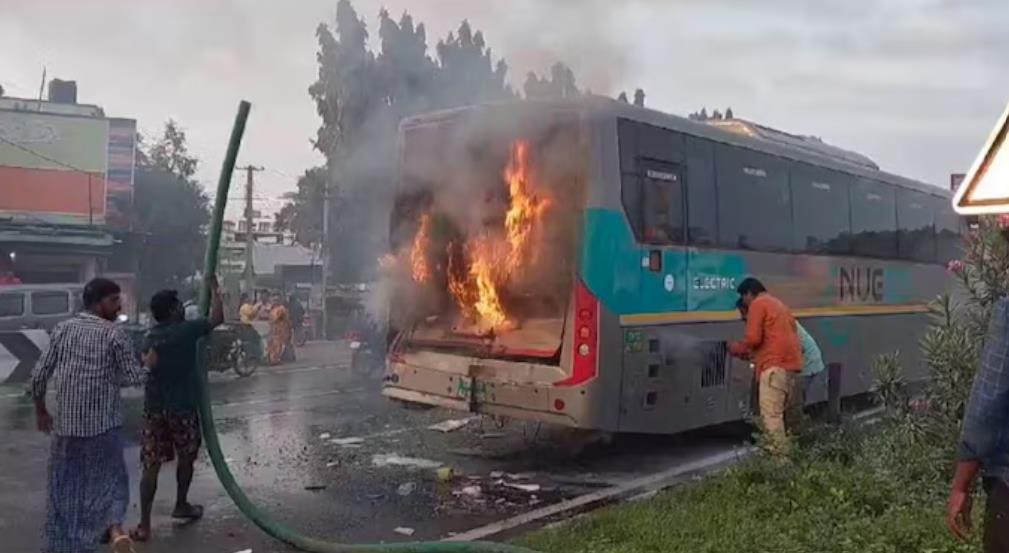
Figure 1: Electric bus from Chennai to Bengaluru catches fire after collision (Courtesy: Indiatoday)
A lithium-ion battery is defined as a storage battery consisting of lithium ions embedded in a carbon graphite or nickel metal-oxide substrate. The electrolyte is a carbonate mixture or a gelled polymer, and the lithium ions act as the charge carrier of the battery. These rechargeable batteries contain a combustible electrolyte and can behave unpredictably if damaged, leading to thermal runaway, a state of uncontrollable heat rise. In theory, thermal runaway means a temperature increase so extreme that stable conditions can no longer exist. Battery manufacturers are continuously evolving their designs to improve the safety of these batteries.
The NFPA (National Fire Protection Association) international standards require that stationary storage battery systems utilizing lithium batteries be provided with thermal runaway protection. To meet this requirement, a listed device or another approved method must be implemented to prevent, detect, and control thermal runaway.
Where lithium-ion batteries are installed as part of emergency power supply systems, the battery installation must comply with NFPA 111 – Standard on Stored Electrical Energy Emergency and Standby Power Systems. Sealed and valve-regulated batteries (VRLA, NiMH, and LI) are permitted in dedicated battery rooms and may be mounted in either of the following ways:
• (a) On open racks
• (b) In listed battery cabinets
Similarly, distributed sealed and valve-regulated batteries (VRLA, NiMH, and LI) may be placed in occupied spaces but must be mounted in one of the following ways:
• (a) In listed battery cabinets with restricted access (requiring a tool or key)
• (b) In listed console or package-style enclosures
• (c) A combination of (a) and (b)
Fire Protection Challenges
Currently, there is no standardized fire protection system for rechargeable batteries within international codes and standards. The specification of the type, amount, and arrangement of combustibles for any commodity classification aims to define fire severity based on burning characteristics, so the fire can be controlled using prescribed sprinkler systems. However, NFPA 13 - Standard for the Installation of Sprinkler Systems lists lithium-ion and other rechargeable batteries as outside its scope of protection.
Applying water in any form to lithium releases hydrogen gas, steam, and heat, which can intensify a fire, as stated in NFPA 484 - Standard for Combustible Metals. Water application can result in rapid heat rise and, in some cases, an explosive-like reaction. The amount of hydrogen gas present is directly proportional to the severity of the fire.
However, in the case of lithium-ion battery fires, water is still the preferred extinguishing medium because the lithium inside these batteries is a lithium salt electrolyte, not pure lithium metal. While elemental lithium reacts violently with water, lithium salts do not.
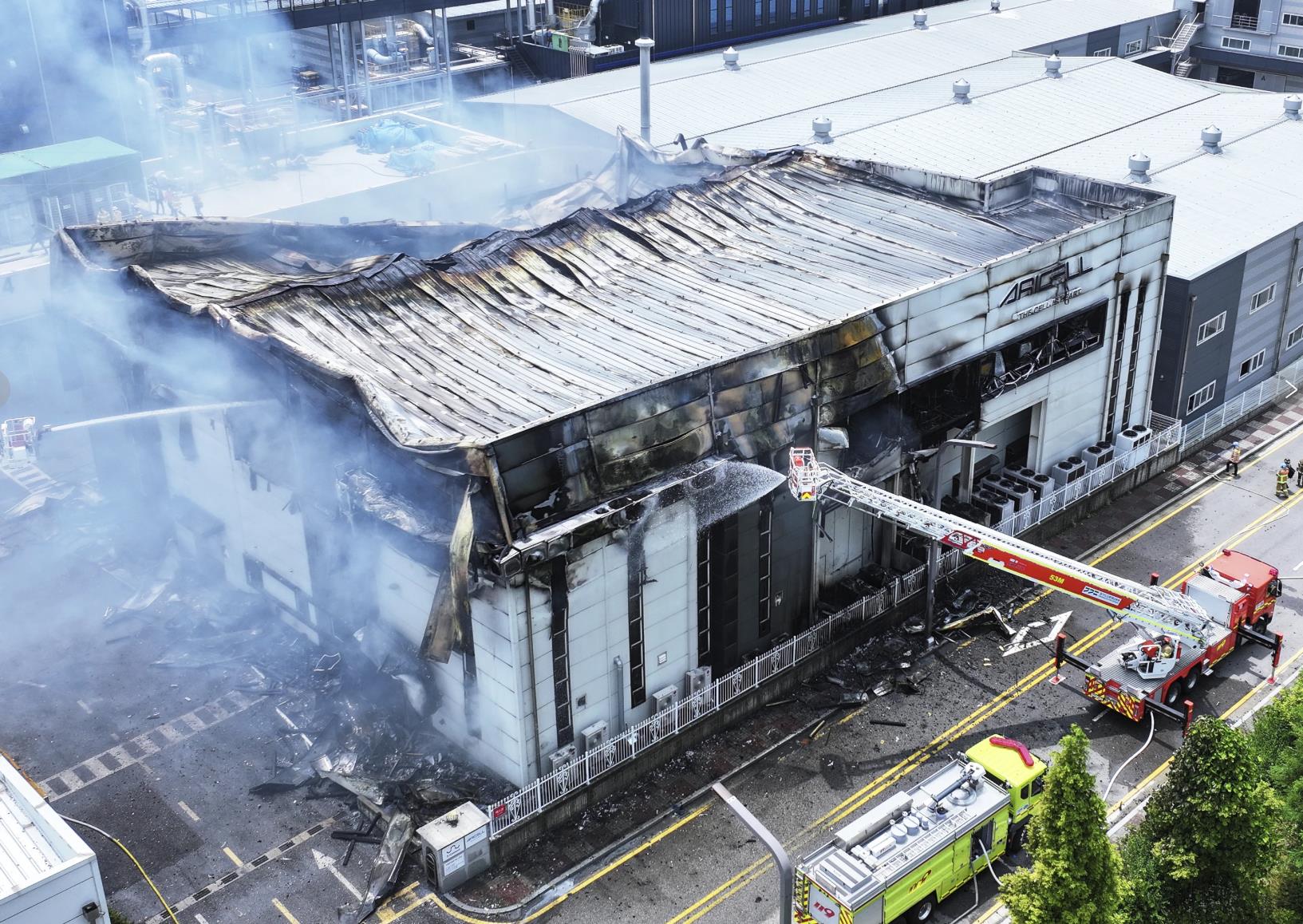
Figure 2: A fire in Lithium-Ion battery in South Korea kills 22 workers (Courtesy:https://apnews.com)
Challenges in Firefighting and Safety Measures
When tackling fires involving electric vehicles or battery production factories, firefighters often face uncertainty regarding the appropriate use of water. In some cases, the strategy is to deluge the fire with large amounts of water, while in other cases, the fire is allowed to burn out completely. Each approach carries risks, and currently, there is no one-size-fits-all solution.
Another major hazard is electrocution. Trapped energy within battery cells can pose a severe risk even after the fire is controlled and extinguished. Trapped energy can endanger first responders and cleanup crews as they attempt to safely uninstall, transport, and dispose of damaged batteries. To date, there is no standardized operating procedure (SOP) to mitigate the risks of trapped energy in damaged batteries.
Environmental Impact and Safe Disposal
The safe storage, handling, and disposal of lithium-ion batteries is another critical concern. These batteries are often discarded in landfills along with general waste, allowing hazardous chemicals to leach into the soil and ecosystem. These chemicals pose risks to humans, animals, and the environment. It is strongly recommended to return old, drained, or damaged batteries to the nearest battery dealer or supplier for proper disposal instead of discarding them with household waste.
Regulatory Measures and Safety Standards
Lithium-ion battery fires can occur for different reasons, not excluding manufacturer defects, exposure of batteries in extremely hot weather conditions, overcharging batteries or physical wear and tear. NFPA 1, Fire Code, 2024 edition has brought out stringent measures where more than five (5) powered micromobility devices will be charged inside or within 10ft (3m) of a building or structure. In essence, the powered micromobility devices shall be charged in accordance with their listing and the manufacturer’s instructions using either the original-equipment-manufacturer-supplied listed charging equipment or listed charging equipment specified in the manufacturer’s instructions.
Powered micromobility devices and portable battery packs must be listed and labeled in accordance with:
• UL 2272 – Electrical Systems for Personal E-Mobility Devices
• UL 2849 – Electrical Systems for eBikes
Battery charging for powered micromobility devices shall be in accordance with all of the following:
• The charging equipment for each device shall be plugged directly into a listed receptacle.
• Extension cords and relocatable power taps shall not be utilized.
• Storage of combustible materials, combustible waste, or hazardous materials shall not be permitted within 10 ft (3 m) of the charging equipment.
• The charging operation shall not be located in any exit access corridor or exit enclosure
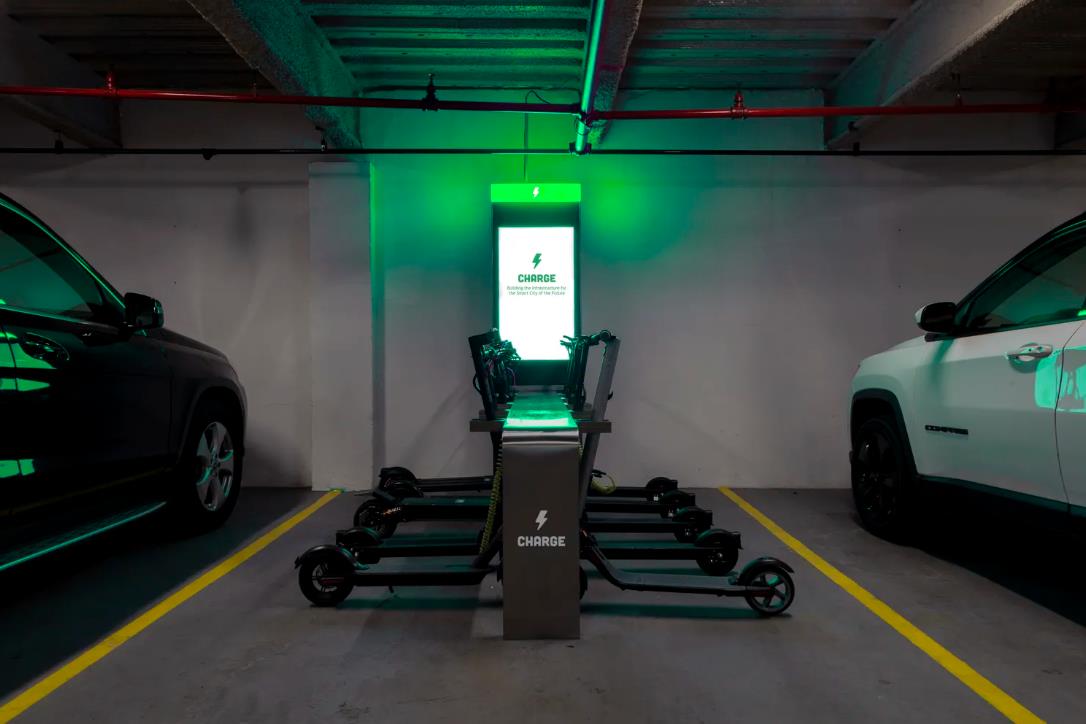
Figure 3: Charge docking stations (Courtesy:https://ny.curbed.com)
In conclusion, while lithium-ion batteries are generally safe, the push for higher power, efficiency, and sustainability has led to more complex battery designs, increasing the potential for fire hazards when not properly managed. In addition to uncertainty over fire protection methods, risks such as toxicity, flammability, and explosive behavior remain major concerns.
As battery technology continues to evolve, ensuring their safety and fire protection is a critical priority. Proper handling, storage, and disposal practices, along with stronger regulatory measures, will help mitigate risks and prevent battery failures that could lead to fire hazards.